
When it comes to scrapping your car, you might be surprised to learn that there are hidden treasures lurking within your vehicle that could potentially increase its price. While many focus solely on the weight of the metal, savvy sellers know that certain components can fetch a higher value. Let’s explore some of these hidden gems that could help you maximise the return on your scrap car.
Get in touch with Scrap Cars Kent if you are looking to get the best price for your scrap car today!
- Catalytic Converter: This small but valuable component contains precious metals such as platinum, palladium, and rhodium, which are used to reduce emissions. Catalytic converters are highly sought after by scrap yards and recyclers due to the valuable metals they contain. If your car has a newer or higher-end catalytic converter, it could significantly boost the overall value of your scrap car.
- Alloy Wheels: Unlike traditional steel wheels, alloy wheels are made from a combination of aluminum and other metals. These wheels are not only lighter and more durable but also hold a higher scrap value. If your car is equipped with alloy wheels, be sure to highlight this to potential buyers, as they can command a higher price than their steel counterparts.
- Engine Parts: While the engine itself may not be salvageable in most cases, certain engine components can still hold value. Parts such as alternators, starters, and even certain sensors can be refurbished and resold, making them attractive to scrap buyers looking for spare parts.
- Electronics and Accessories: Modern vehicles are equipped with a wide range of electronic components and accessories, many of which contain valuable metals and materials. Items such as GPS systems, stereo units, and even airbag modules can be salvaged and sold separately, potentially adding extra value to your scrap car.
- Body Panels and Trim: Although they may not be as lucrative as some of the other components mentioned, body panels and trim pieces can still contribute to the overall value of your scrap car. Parts that are in good condition and free from rust or damage may be salvaged and sold to auto repair shops or enthusiasts looking for replacement parts.
- Battery: While the value of a car battery may not be as high as other components, it’s still worth considering. Lead-acid batteries can be recycled to extract lead and other materials, making them valuable to scrap yards. Some scrap buyers may offer a separate price for the battery, so be sure to inquire about this when selling your scrap car.
By identifying and highlighting these hidden value components, you can potentially increase the overall price you receive for your scrap car. Before selling, it’s always a good idea to research local scrap yards and recyclers to find the best price for your vehicle, taking into account the value of these components. With a bit of knowledge and preparation, you can ensure that you get the most out of your scrap car sale.
What is a Catalytic Converter?
A catalytic converter is an essential component of a vehicle’s exhaust system, designed to reduce harmful emissions before they are released into the atmosphere. It contains a catalyst that facilitates chemical reactions to convert toxic gases into less harmful substances.
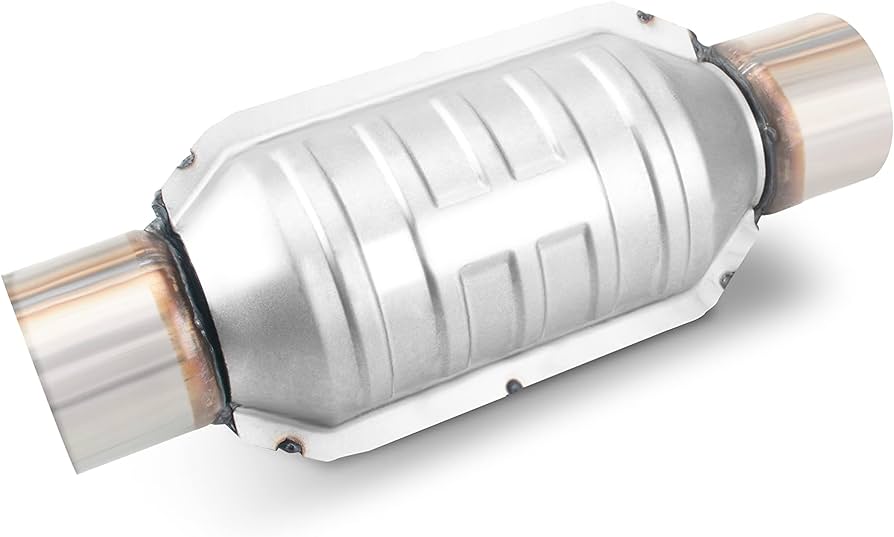
Inside the catalytic converter, there are typically three main components: a ceramic or metallic substrate coated with precious metals such as platinum, palladium, and rhodium. These metals act as catalysts, promoting chemical reactions that break down harmful pollutants in the exhaust gases.
When exhaust gases pass through the catalytic converter, several chemical reactions occur:
- Oxidation of Carbon Monoxide (CO): Carbon monoxide is a poisonous gas produced by the incomplete combustion of fuel. The catalyst in the converter facilitates the reaction between carbon monoxide and oxygen (O2) to form carbon dioxide (CO2), a less harmful greenhouse gas.
- Reduction of Nitrogen Oxides (NOx): Nitrogen oxides are pollutants produced during the combustion process. The catalytic converter facilitates the reduction of nitrogen oxides into nitrogen (N2) and oxygen (O2), which are harmless gases found naturally in the atmosphere.
- Conversion of Hydrocarbons (HC): Unburned hydrocarbons are another type of pollutant emitted by vehicles. The catalytic converter promotes the conversion of hydrocarbons into carbon dioxide (CO2) and water vapor (H2O), which are less harmful to the environment.
Overall, the catalytic converter plays a crucial role in reducing air pollution and improving air quality by converting harmful emissions into less harmful substances. In addition to its environmental benefits, catalytic converters also contain valuable precious metals, making them sought-after components in the scrap car industry.
Navigating the Scrap Car Selling Process in the UK
- Preparation Tips: In the UK, preparing your scrap car for sale involves several steps. Remove all personal belongings from the vehicle, including paperwork, valuables, and accessories. Ensure that the car is clean and free of any debris. Gather important documents such as the V5C registration certificate (logbook), service history, and MOT certificate.
- Researching Scrap Yards: When researching scrap yards in the UK, look for Authorised Treatment Facilities (ATFs) that are licensed by the Environment Agency. Check online reviews and ratings to gauge the reputation and reliability of each facility. Consider visiting the scrap yard in person to assess their facilities and speak with staff members.
- Understanding Weight vs. Value: In the UK, scrap metal prices are often based on weight, but certain components can increase the overall value of a scrap car. Components such as catalytic converters, alloy wheels, and intact body panels can command higher prices from scrap yards and recyclers.
- Legal and Environmental Considerations: Scrapping a car in the UK requires compliance with legal and environmental regulations. Ensure that the scrap yard is licensed and follows proper disposal practices to avoid fines or penalties. Obtain a Certificate of Destruction (CoD) from the ATF to notify the DVLA that the vehicle has been scrapped legally.
- Comparing Quotes: Obtain quotes from multiple scrap yards in your area to compare prices and services. Be wary of unusually low quotes, as they may indicate hidden fees or unscrupulous practices. Ask each scrap yard about their process for handling paperwork and obtaining the CoD.
- DIY vs. Professional Dismantling: Consider the pros and cons of dismantling the car yourself versus hiring a professional. DIY dismantling may save money, but it requires time, tools, and knowledge of vehicle mechanics. Hiring a professional dismantler ensures safe and efficient removal of valuable components.
- Negotiation Strategies: When negotiating with scrap yards, leverage your knowledge of valuable components to negotiate a higher price. Be prepared to walk away if the offered price is significantly lower than expected. Consider factors such as convenience, reputation, and additional services offered by each scrap yard.
- Post-Sale Considerations: After selling your scrap car, cancel the vehicle’s insurance policy and notify the DVLA that the car has been scrapped. Keep records of the transaction, including the CoD and any receipts or paperwork provided by the scrap yard. If applicable, transfer any remaining warranties or service contracts to your new vehicle.