
Electric cars are becoming more popular in the UK, as of the end of June 2022 there were more than 510,000 battery-electric cars (source). The government are pushing for people to buy electric cars by creating electric car grants, increasing the tax on polluting cars and adding more low-emission zones in cities. But what is cheaper? At the end of the day, people will only get electric cars if they can afford them, until the government makes it easier, people will continue to keep buying Petrol or diesel cars.
average cost of refuelling a petrol or diesel car
We all know that the costs of recharging an electric vehicle are a lot less than refilling a petrol/diesel car. As of the 27th of July 2022 ,the average cost to refill a car is around £100, compared to the same time the previous year (2021) it was around £60. You could argue this is a temporary spike due to the war in Ukraine and the cost of living crisis, but because of this more people will be looking toward buying electric cars.
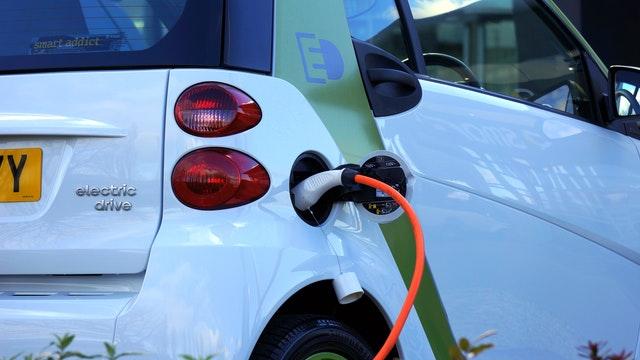
Average cost of recharging an electric car
According to a website called Pod Point, the cost of charging an electric car at home costs around £15 to fully charge. This is very convenient as you can park up, and start charging your vehicle at night, when you wake up it’ll be fully charged and ready to go. Another great benefit is that many companies offer their employees free charging at the office car park.
| Vehicle | Battery Size | kWh Cost | Cost to Charge |
|---|---|---|---|
| Tesla model s 100d | 100 | 0.19 | £19.00 |
| Nissan Leaf | 30 | 0.19 | £5.70 |
| BMW i8 | 7 | 0.19 | £1.33 |
| Renault Zoe | 22 | 0.19 | £4.18 |
| Mitsubishi Outlander | 12 | 0.19 | £2.28 |
A comparison done by jct600 found that the perfect distance from your home to your local supermarket is around 2 miles. If you did this journey in one of the most popular cars, the VW Golf it would cost you 33p, (diesel 35p), whereas the VW ID3 would only cost about 12p. This doesn’t sound much but if you go to the supermarket twice a week for a year it adds up, the VW Golf costs around £137 a year whereas the electric ID.3 would only cost £49.
What’s cheaper over a car’s lifetime electric or petrol/diesel?
According to new research, the overall lifetime cost of an electric car is cheaper than a petrol/diesel car. This also includes the initial cost of buying the price as well as recharging and refuelling.
The total cost of buying an electric car in 2020 and running it for 14 years (the average lifespan of a car) has been calculated to be £52,133. The total cost for 14 years of a petrol car is £53,625, so there really isn’t much in it. But if you take out the initial cost of buying the vehicle and just include the cost of running including insurance, refuelling/recharging, road tax, MOT etc, the electric car would cost £1,742 per year compared to £2,205 for a petrol car, this is a 21% difference.
According to research done by Direct Line Group, found that the total running costs are 49 per cent lower compared with the petrol car equivalent. Recharging costs 58 per cent cheaper than refuelling a petrol car.
Electric cars also hold their value longer compared to petrol cars, they only lose 12 per cent of their value per year compared to 24 per cent of their value compared to petrol cars.
The price of electric cars is expected to go down year on year so these numbers are going to come down. It’s predicted that the lifetime cost for electric cars will get lower and lower. But many people right now, are finding it hard to afford the initial investment of buying one in the first place!

Are there enough charging stations around the UK for electric cars?
The number of electric charging points in the UK has grown rapidly in the last year years. Between 2016 and 2021 the number of EV charging points in the UK has gone up by 4 times, in 2016 there were around 6,500 compared to 2021 when there were 28,000. The area with the most EV charging points is Greater London with 10,865, followed by the South-East with 4089 and Scotland with 2,986.
According to the Society of Motor Manufacturers and Traders, the number of publicly available charging stations has not grown faster enough. The number of electric charging stations has grown 82% between 2019 and 2021, whereas the number of electric car sales went up by 600%. A big issue is that lots of households do not have a space for them to park or charge their electric vehicles.
Another issue is that some areas have way more charging stations than others. Greater Manchester has only 17 chargers per 100,000 people, compared with 102 per 100,000 in London. Scotland has 52 chargers per 100,000 people whereas, only 18 per 100,000.